Yunam Peak Expedition: Summit the 6,111 m Himalayan Giant
Standing quietly above the cold desert landscape of Spiti, near the iconic Chandratal Lake and Kunzum Pass, Yunam Peak is one of the most rewarding intermediate climbing objectives in the Indian Himalayas. Unlike many 6,000 m peaks that demand weeks of approach trekking through dense forest, Yunam offers relatively quicker access combined with genuinely high-altitude mountaineering exposure — making it a favourite for climbers looking to summit a true Himalayan giant without committing to a month-long expedition. Here’s your complete guide.
Overview: Why Climb Yunam Peak?
Yunam Peak’s appeal lies in its combination of accessibility and altitude. Located in the trans-Himalayan region of Spiti, the peak sits in a dramatically different landscape compared to the greener, forested approaches typical of Himachal’s Kullu or Lahaul valleys — think stark mountains, deep blue skies, and vast open moraine fields. For climbers who’ve completed a basic mountaineering course and are looking for their first proper 6,000 m summit, Yunam offers an excellent balance of achievability and genuine high-altitude challenge.
Yunam Peak Height and Altitude
Yunam Peak reaches an altitude of 6,111 metres (20,049 feet). This places it comfortably within the “trekking peak” category recognized by the Indian Mountaineering Foundation, while still requiring the full rigor of proper acclimatization, glacier travel, and summit-day mountaineering technique. The final summit ridge sits well above 6,000 m, where the effects of reduced oxygen become a serious factor for even fit climbers.
Location
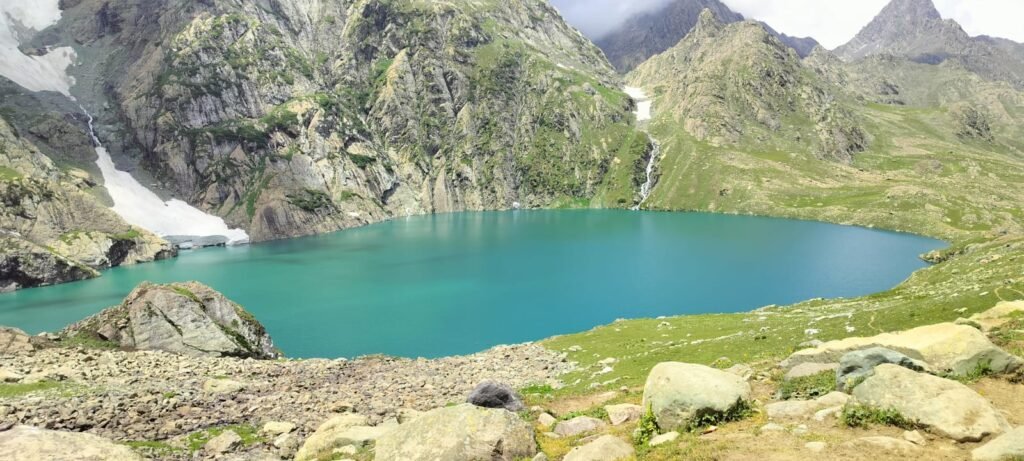
Yunam Peak is located in the Spiti Valley of Himachal Pradesh, near the Kunzum Pass and Chandratal Lake region — an area known for its cold desert terrain, dramatic rock formations, and proximity to the Chandra river and Bara Shigri glacier system.
Route and Itinerary
A typical Yunam Peak expedition follows this general structure:
- Manali to Batal/Chandratal – The journey begins with a scenic drive over Rohtang Pass (or via the Atal Tunnel) into the Lahaul-Spiti region, reaching either Batal or the Chandratal Lake area.
- Chandratal to Base Camp – Trekking through moraine and open valley terrain, gaining altitude steadily while acclimatizing to the thinner air of the region.
- Base Camp Acclimatization – A rest and acclimatization day, often including a short exploratory climb to a nearby ridge or viewpoint.
- Base Camp to Advanced Base Camp/Summit Camp – Climbers move higher, closer to the base of the final summit approach, refreshing rope and crampon skills en route.
- Summit Push – An early morning start leads climbers across glaciated and rocky terrain, gaining the summit ridge before descending back to camp the same day.
- Descent and Return – The team retraces the route back to Chandratal/Batal and onward to Manali.
The full expedition typically takes 9 to 11 days, including travel time, acclimatization, and a weather buffer day — noticeably shorter than many other 6,000 m peaks in the Indian Himalayas.
Yunam Peak Distance
The total trekking and climbing distance covered during the expedition is approximately 40 to 50 km, making Yunam one of the more time-efficient 6,000 m summits available in Himachal Pradesh.
Best Time to Visit Yunam Peak
The best time to visit Yunam Peak is between July and September. This window aligns with when the Kunzum Pass and surrounding roads become accessible after winter snow clears, and when snow conditions on the peak itself stabilize enough for a safer summit attempt. Attempting the climb outside this window is generally not feasible, as the approach roads through Rohtang and Kunzum passes remain snowbound for much of the year.
Weather Conditions
Because Yunam sits within the Spiti rain-shadow zone, it generally experiences drier, more stable weather compared to peaks on the wetter, southern side of the Himalayas. Daytime temperatures at base camp during the climbing season typically range between 8-15°C, dropping well below freezing at night and on summit day. Despite the generally drier climate, sudden weather changes — including strong winds and occasional snow squalls — remain possible at this altitude, so climbers should never treat “dry region” as synonymous with “predictable weather.”
Snow and Glacier Conditions
Yunam’s upper slopes retain significant snow cover throughout the climbing season, with sections of glacier travel and moderately steep snow slopes on the way to the summit ridge. While not as heavily glaciated as some neighbouring peaks, the terrain still demands proper crampon technique, rope-assisted travel in places, and awareness of changing snow consistency between early morning (firmer) and later in the day (softer, more exhausting).
Fitness Level Required
Yunam Peak requires a moderate to high fitness level. Climbers should be able to comfortably manage:
- Multi-hour trekking days at altitudes above 4,000 m
- Steady cardiovascular endurance for a long, sustained summit day
- Leg strength and balance for scree, moraine, and snow-covered terrain
- The mental stamina to push through fatigue during the final summit stretch, where oxygen levels are noticeably reduced
A training plan of 6-10 weeks focusing on cardio endurance, stair climbing, and general strength conditioning is recommended before attempting this peak.
Experience Level Needed
While Yunam is often positioned as a good “stepping-stone” peak, it is not recommended as an absolute first mountain. Ideally, climbers should have:
- Prior experience with at least one high-altitude trek above 4,500-5,000 m
- Basic familiarity with mountaineering equipment (ice axe, crampons, harness), ideally through a Basic Mountaineering Course
- Comfort with exposure on moderately steep snow and rock sections
That said, Yunam is frequently recommended as one of the more accessible 6,000 m peaks for climbers taking their first real step into serious mountaineering, provided they arrive reasonably fit and mentally prepared.
Difficulty Rating
Yunam Peak is generally rated as moderately difficult. The main challenges are altitude and a long, tiring summit day rather than extreme technical climbing, which makes it a good “next step” peak after completing a Basic Mountaineering Course or a lower-altitude trekking peak like Friendship Peak.
IMF Permits and Regulations
An IMF (Indian Mountaineering Foundation) permit is required to climb Yunam Peak. Because the region lies close to sensitive high-altitude zones near the Indo-Tibet border, climbers may also need additional local area permits, particularly if travelling through certain restricted or protected zones in Spiti. Most established expedition operators handle this documentation as part of their package, but it’s worth confirming permit status well ahead of your planned climbing dates.
Equipment Checklist
A basic equipment list for Yunam Peak includes:
- Technical gear: Ice axe, crampons, climbing harness, carabiners, helmet
- Clothing: Down jacket, thermal base and mid layers, waterproof outer shell, insulated gloves, balaclava, UV-protection glacier glasses/goggles
- Footwear: Insulated mountaineering boots compatible with crampons
- Camping gear: Four-season sleeping bag (rated to at least -15°C), sleeping mat, headlamp with spare batteries
- Personal: Trekking poles, high-SPF sunscreen and lip balm (essential given Spiti’s intense UV exposure), water bottles or hydration system, personal first-aid kit and altitude sickness medication as advised by a doctor
Most operators supply group climbing equipment such as ropes, tents, and cooking gear, while personal clothing and technical gear are typically the climber’s own responsibility.
How Yunam Peak Compares to Other Peaks
Compared to Friendship Peak (5,289 m), Yunam is notably higher and more demanding, better suited to climbers who’ve already gained some experience. Compared to Deo Tibba (6,001 m), the two peaks sit at a similar altitude, but Yunam’s approach is generally shorter and its terrain drier, while Deo Tibba involves more sustained glacier travel through greener, forested valleys. Against Black Peak (6,387 m), Yunam is a shorter, less technically sustained expedition, making it a good precursor climb before attempting something as demanding as Kala Nag.
Final Thoughts
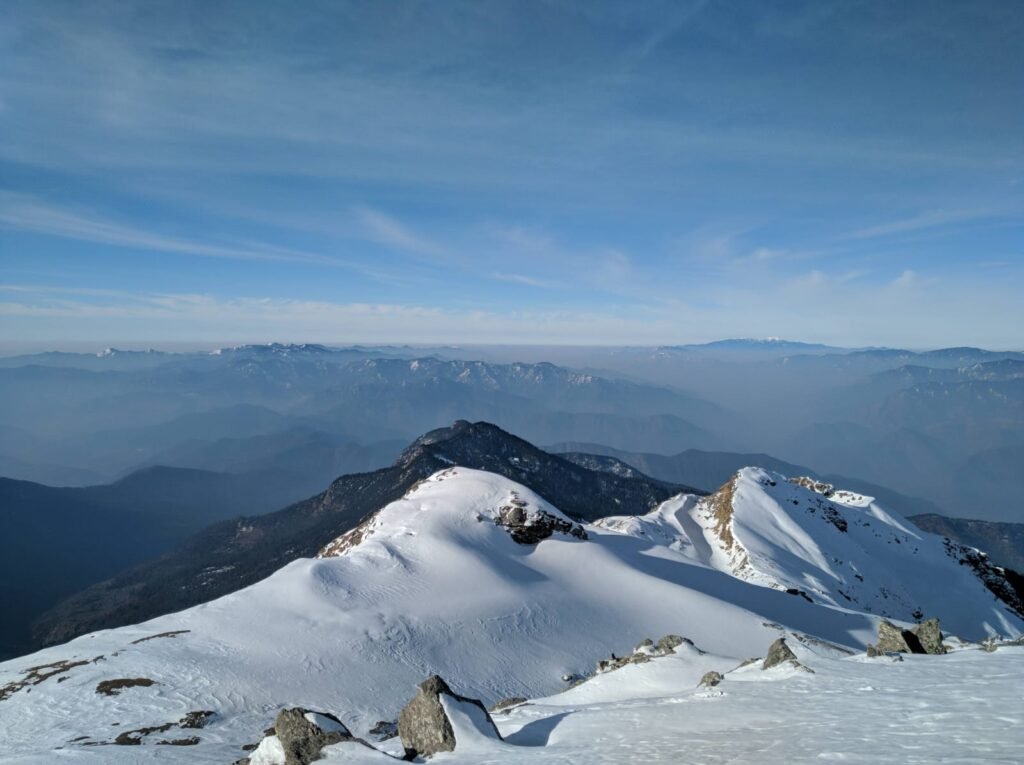
Yunam Peak offers one of the most efficient routes to a genuine 6,000 m Himalayan summit, combining the stark, dramatic beauty of Spiti with a well-rounded mountaineering challenge. Its shorter overall duration makes it an attractive option for climbers with limited vacation time who still want a serious high-altitude objective. Choose the July-to-September window, train properly beforehand, climb with an IMF-registered operator, and Yunam will reward you with sweeping views over the Spiti and Lahaul ranges from one of the region’s most striking summits.